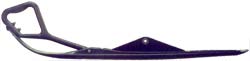
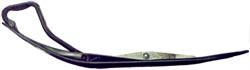
The |
|
|
|
The |
|
|
|
|
|
Our system makes OEM skis work much better, on trails, than any aftermarket ski. I'd rather have you spend the $400.00 on a snowmobile trip instead. |
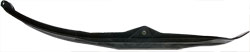
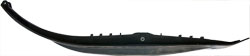
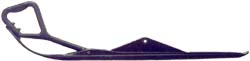
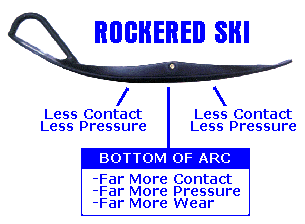
The more severe the arc of the rockered ski, the easier it is to turn the handlebars. This is true because the less contact with the ground, the less resistance there is to turn. However, keep in mind that it is resistance that is needed to turn the sled. On some skis only 1" of a 10" carbide will make contact with the ice. |
| Carbides, on a
rockered ski, will dull first at the bottom of the arc - where they receive the most
contact.
More surface damage will occur because all the pressure is focused on the carbide. Once the bottom of the arc is dull, it will not allow the untouched carbide to penetrate. This is because the majority of the weight (or pressure) will still be at on the bottom of the arc. |
 |
|
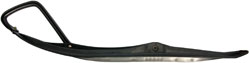
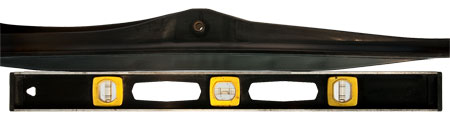
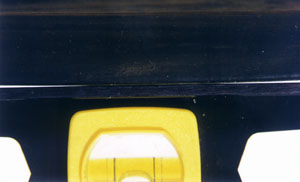
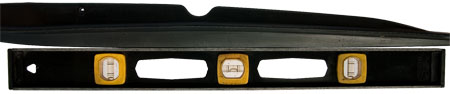
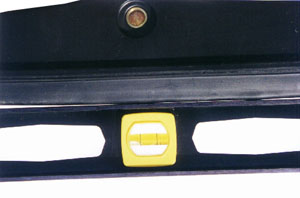
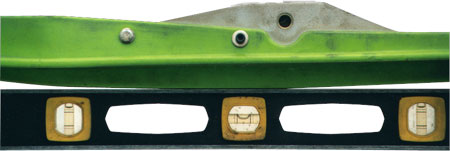
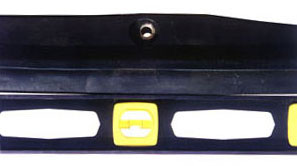
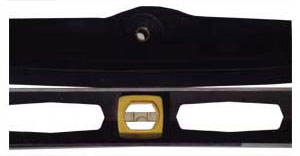
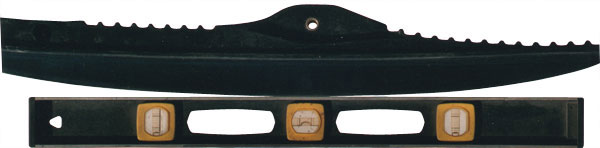
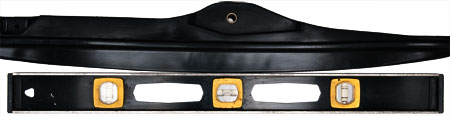
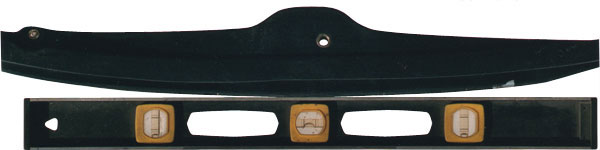
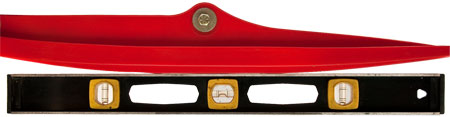
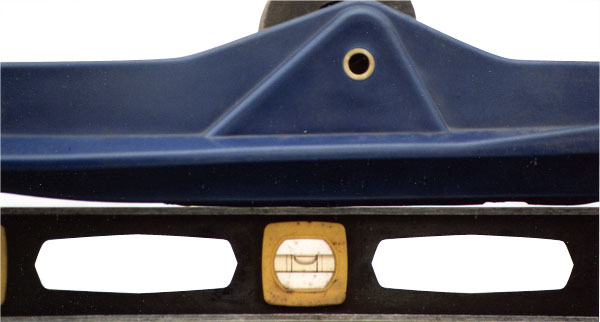
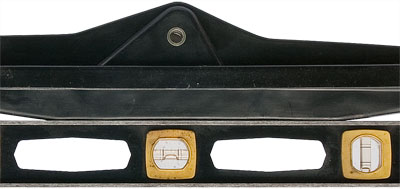
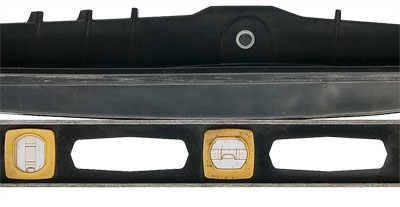
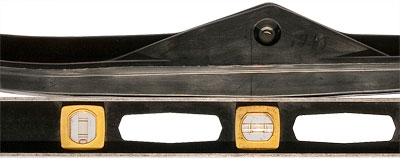
To raise the wear rod off the ground, the rockered ski will need 8"-10" of heavy wet snow. This is because there is not much lift from the ski until it is in deep snow. The focused pressure directly on the carbide will increase trail shaving in the corners. The wear rod ruts will be even deeper, generating more darting and requiring even more grooming and snow. Examples of some manufacturer's rockered skis resting on the flat surface of a carpenter's level (notice the gap created by the arc): |
Arctic Cat Rockered Ski
B11A |
 |
Arctic Cat Rockered Ski
B11B |
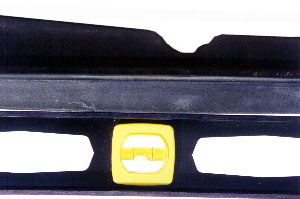 |
Arctic Cat Blow
Molded
B12 |
 |
||
Fire Cat Ski
As you can see on the right, 2 1/4" of the ski makes contact with the level. B13 |
 |
||
Arctic Cat 2010 Ski
B14 |
|
||
Polaris Rockered
Ski H04P |
 |
|
|
|
|
Polaris Saddle-Less Ski 2003 H04-P |
 |
Polaris Gripper H08 |
 |
Polaris IQ-1 HIQ-1 |
 |
Polaris IQ-2 HIQ-2 |
 |
Polaris Racing Ski
Contact 6 1/2". H04-R |
 |
|
|||
Ski-doo Flex
Ski K22
|
|
||
|
|
|||
| Ski-Doo – 2002 - 2005 – Precision Skis had a 13" flat bottom Precision vs. Pilot Ski | |||
Ski-doo, Pilot Ski, 2006
|
 |
||
K27 Race ski Contact is 4-3/4" |
 |
||
K27 Pilot SL (Straight Line) Contact is 1-3/4" |
 |
||
K27 Pilot DS (Deep Snow) Contact is 2-3/8" |
 |
||
|
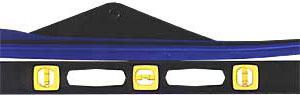
Yamaha USI Ski
As you can see on the right, only 2 3/8" of the ski makes contact with the level. Q15 |
 |
||
|
|
|||
|
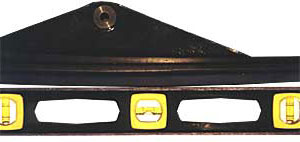
Yamaha Rockered Ski
As you can see on the right, only 1" of the ski makes contact with the level. Q16 |
 |
||
|
|
|||
|
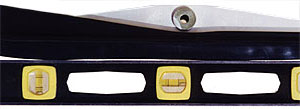
Yamaha Rockered Ski
Q18 |
 |
||
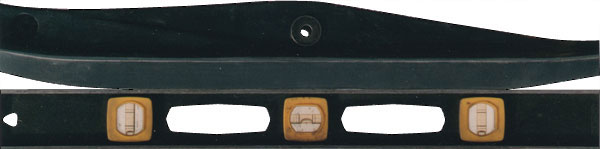
Yamaha Saddleless Ski As you can see on the right, 12 1/2" of the ski makes contact with the level. This contact creates more effort to turn the handlebars but provides more bite in the corners at speed. Q18 |
 |
||
|
|
|||
Copyright © 1999-2016 Bergstrom Skegs, Inc.
All
rights reserved.


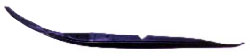
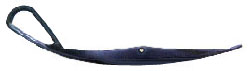
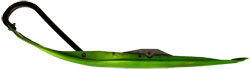
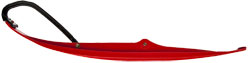
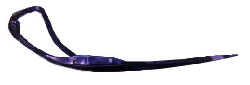
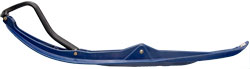
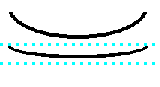 Rockered ski bottoms are arced (or curved) from front to back (as seen in the
diagram at the left). Rockered skis counteract the
cushioning effect that flat skis provide, because the more arc there is the less
straddling of bumps the skis can do.
Rockered ski bottoms are arced (or curved) from front to back (as seen in the
diagram at the left). Rockered skis counteract the
cushioning effect that flat skis provide, because the more arc there is the less
straddling of bumps the skis can do.