Old Is New Again |
|
Old Is New Again |
|
Everything Old is New
Again? |
||||||||||||||||||||||
If you don't know history, you are
DOOMED to repeat it... and pay for it... and pay for it... and pay for it. |
||||||||||||||||||||||
|
||||||||||||||||||||||
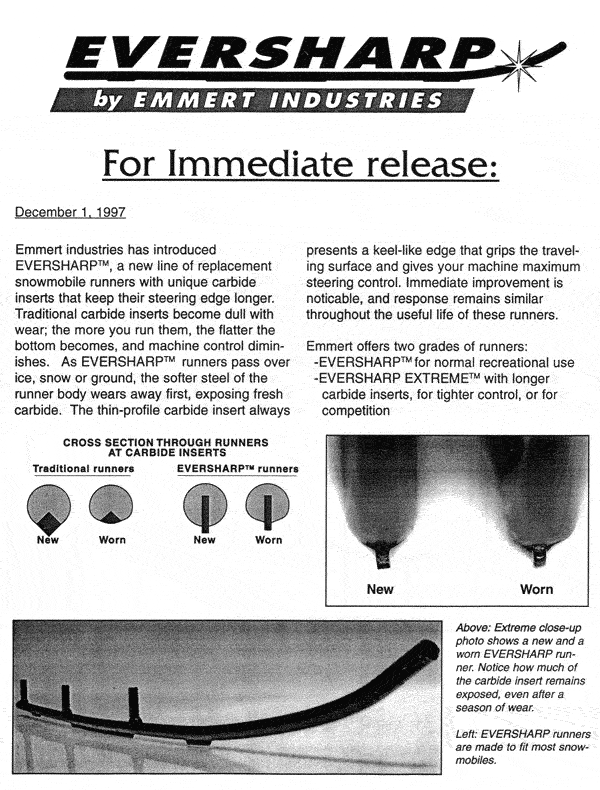
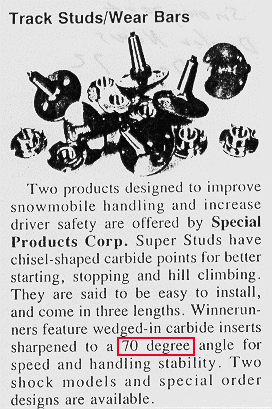
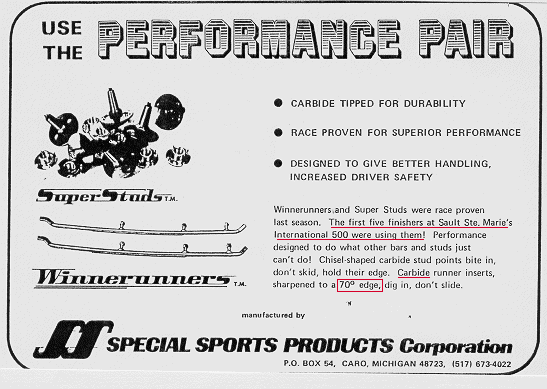
61 degree & 70 degree carbides... Initially the lower the number, the more aggressive the turning is. However, after crossing a couple of roads, it does not matter what degree it started at. By weight, thinner means less. For more information, check
out: |
||||||||||||||||||||||
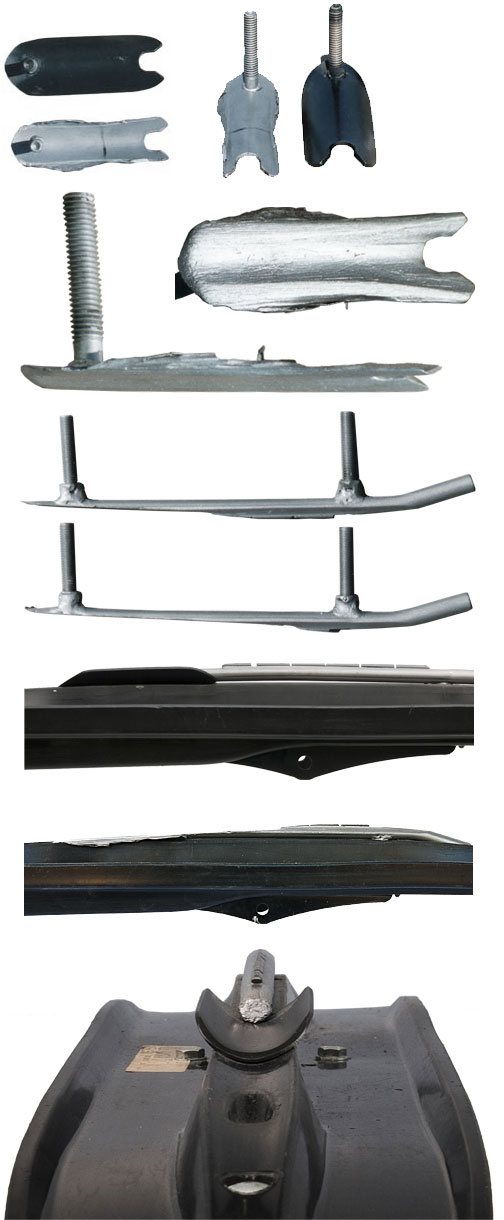
| More carbide wear pads... The host bar always wears at it's weakest point, so
the host bar material erodes around the front carbide until it falls away and wears down
the line to the back end.
For more information, check out: |
||||||||||||||||||||||
| More protruding carbide... Initially more aggressive, but also more destructive, the increased focused pressure dulls the carbide faster and is more apt to catch on edges. They do not prolong the life of the wear rod, so, by weight, you throw away more carbide. | ||||||||||||||||||||||
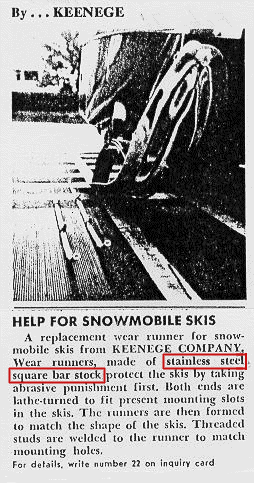
| Stainless steel rods... Do not last any longer than standard rods but can cost 3 times as
much.
For more information, check
out: |
||||||||||||||||||||||
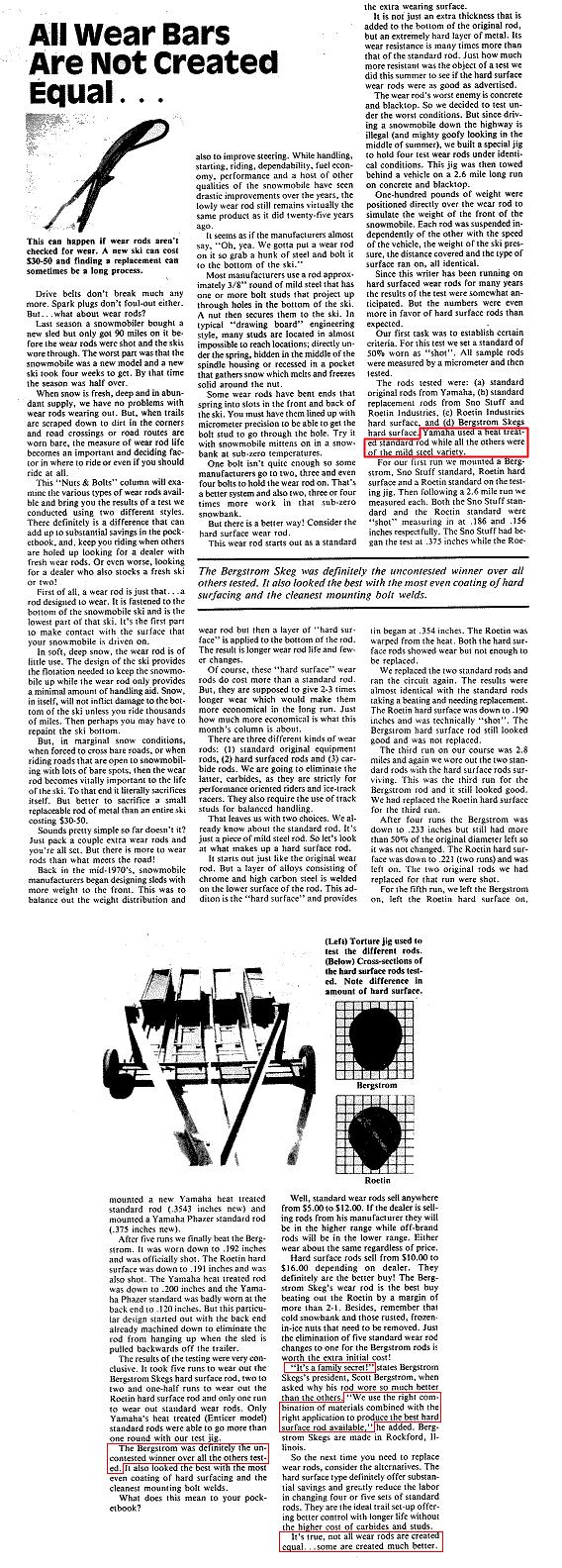
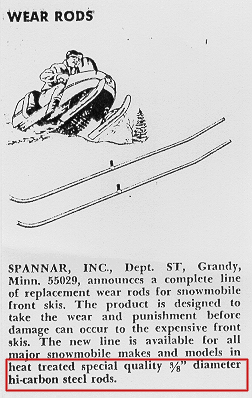
| Heat treated... Case hardening is worn away, crossing a road or two, because it is
shallow. Through hardening, rods would tend to be brittle and break.
For more information, check
out: |
||||||||||||||||||||||
| Skis With Multiple
Wear Rods... These types of skis were used in the 70's and 80's. But,
they didn't catch on with the snowmobiling public.
For more information, check
out: |
||||||||||||||||||||||
Kinked Host Bar... kinks in the host bar focus the pressure at the front of the kink which is the point of attack... so it wears out faster! For more information, check
out: |
||||||||||||||||||||||
| Push-Thru Studs... since they reduced
the cost of repairs (mainly because of the old t-nuts), there is something
telling about this timeline.
For more information, check out:
|
||||||||||||||||||||||
First Plastic
Ski... 1980 Chrysler
Snow Runner For more information, check out: |
||||||||||||||||||||||
Steel Ski Designs... 1963 through present. In order to receive a patent, your idea has to be new and unique. When you file for a patent, you are obligated to make all prior art pertinent to your concept, known to the Patent Office (ie: downhill snow skis, cross-country skis, snowboards, waterskis). If you offer only patented items and/or selected other prior art, any patent you may receive would not hold up in court. Creative writing is not relevant unless if is based on verifiable facts. Previous Steel Ski Designs and more Plastic Ski Patents Richard L. Labelle
3,817,544 - September, 1972 |
||||||||||||||||||||||
Home | Main traction history page | Site map
Copyright © 1999-2016 Bergstrom Skegs, Inc.
All
rights reserved.